Overview
Women And Family Health
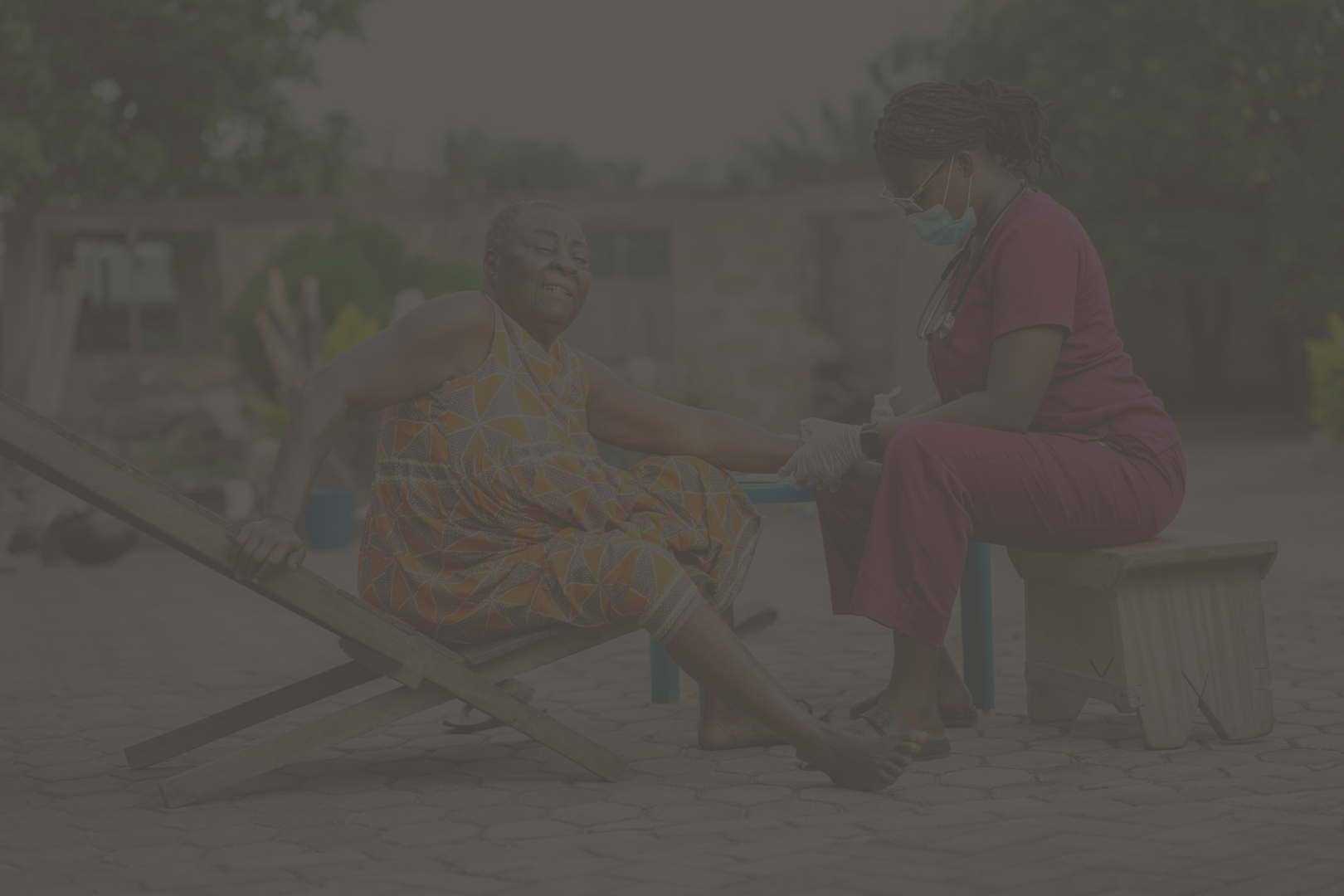
Strong communities start with high-quality and accessible maternal, newborn and child health care. Ensuring access to quality and respectful health services and promoting behavior change for good maternal, newborn and child health, reproductive health and family planning is vital to building strong families and communities.

Challenges
South Sudan’s 12 million people are 80% rural. Poverty is endemic with 67% of the population living on under $ 1/day. Despite efforts to strengthen the health system, and expand access to care through effective community health services, the world newest country experiences the worst maternal and newborn health outcomes worldwide.
South Sudan suffers some of the world’s highest rates of maternal and newborn mortality. Recent UN reports estimate that, there is 1,223 maternal deaths per 100,000 live births (2020). 39 newborn deaths per 1000 live births (2022); and 26 stillbirths per 1000 births (2021). With only 3.5 health workers per 10,000 people and more than 56% of the population living more than 5 kilometers from a health facility, quality care remains inaccessible to many. Approximately 80% of women give birth at home and only one in ten (10%) births is assisted by a skilled provider. Estimated 17,000 neonates unnecessarily die within 28 days representing 43 % of deaths among all children each year from easily-treatable and preventable ailments from home delivery.
The death rate is approximately 8 mothers per 1,000 live births and 40 children/1,000 live births, with 75% of these deaths completely preventable. Women lack access to clean delivery, largely because they live in hard to reach and poor resourced homes. Underserved communities bear the highest burden of the lost and contribute to 95% of the maternal and newborn deaths. This is driven by many factors notably the political instability, high illiteracy rates among women, early marriages, delays in seeking health services coupled with impoverished societies and extreme weather events due to climate change and epidemics including recent COVID-19 pandemic has rendered majority families and communities very vulnerable which discriminately affects women during pregnancy, delivery and post-partum care and support.
The combined conflict and climate induced displacements have led to a dire humanitarian crisis with 9.4 million of estimated 12 million people (67.1%) requiring humanitarian assistance. These factors and many others contribute to the country’s persistently high rates of maternal and newborn health (MNH) complications, morbidities, and mortality.
Approach
We strengthen community and health systems to equitably deliver high-impact interventions with quality respectful care, increase community demand for quality services, promote healthy practices and strengthen health leadership and governance for better health outcomes.
We address the root causes and social drivers of poor health outcomes for mothers, infants and children, and leverage the power inherent in the communities where we work. Our approaches are multi-sectoral and grounded in inclusive participation, human-centered design, capacity-strengthening and built using a life-course lens. We work with families, communities, civil society, governments, religious groups, professional associations and the private sector to address risks and vulnerabilities along the life course and continuum of care and improve the health of mothers, babies and children where and when they need it most.
Our Impact
The Impact of What We Do
0
K
Undeserved community members reached
0
%
Women and newborns in rural areas with improved health outcomes
0
K
Provided maternal services to over 20,000 women and 10,000 newborns
0
+
Community Health Workers trained, significantly reducing local mortality rates
0
+
Women trained on Income Generating Activities and Savings
0
M+
Community members reached with malaria prevention and childhood Immunization information
Partnerships
Partners and Funders