Overview
Community Mobilization, Social And Behavior Change
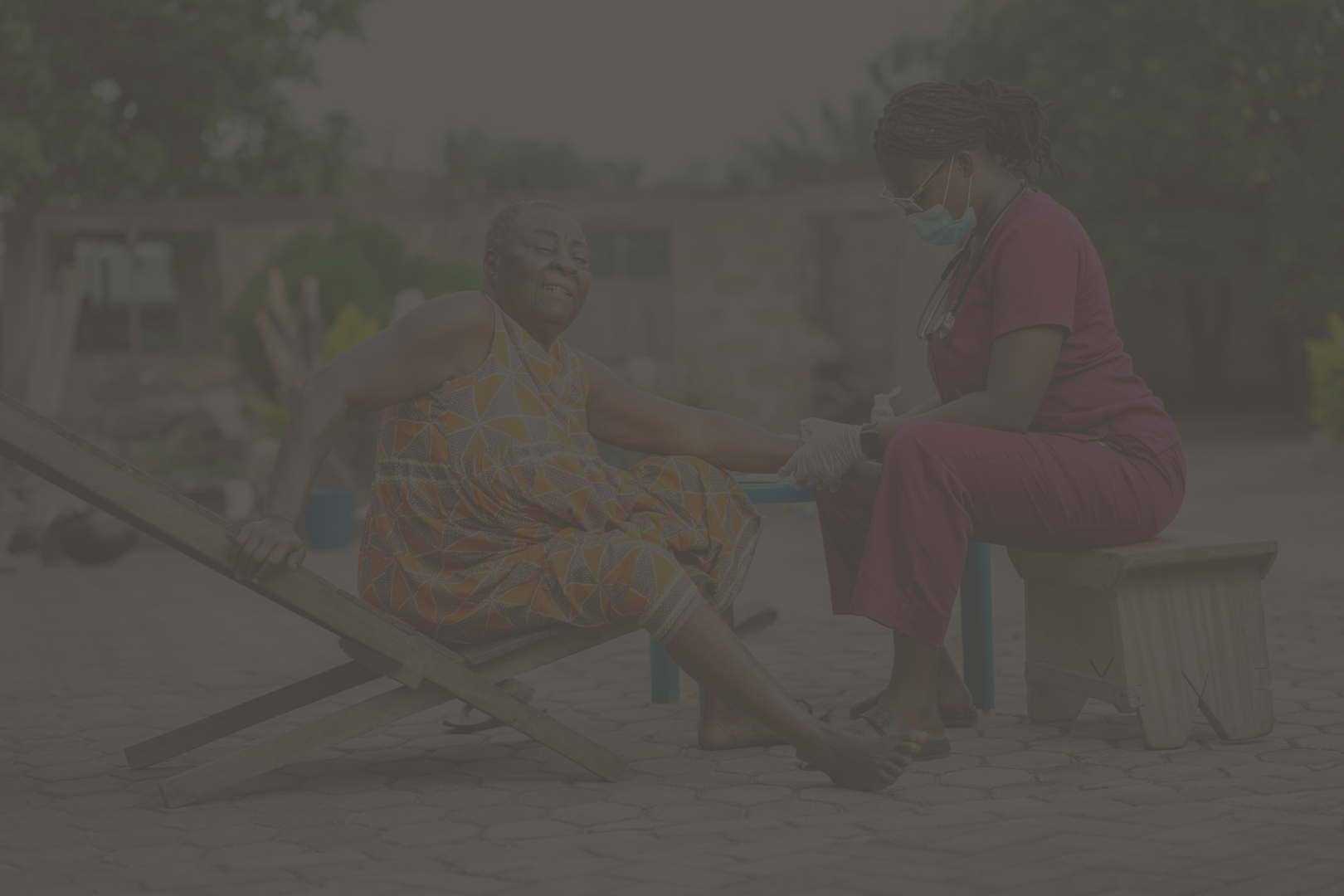
BHECO use human-centered design principles to mobilize communities and families for healthier behaviors and care-seeking practices. Central to our behavior change approach, we engage men as clients, partners and fathers in child health and development.
Across counties and states and programs, we link women and families to platforms such as Women Empowered savings and lending groups as a way for women to generate the income, they need to care for themselves and their families and as a space for women to discuss and address group-driven social issues that impact the well-being of their families and communities.


Interventions
Strengthening adoption of healthy Behaviours and use of MNH services.
BHECO undertakes community-led SBC strategy that maximizes existing community networks and structures to improve and increase the adoption of healthy behaviours and the use of MNH services by the underserved communities. BHECO empower communities to identify their MNH priorities and resources and develop activities to address these priorities using gender-transformative approaches. BHEC collaborate closely with the CHD official to adapt and scale evidence-based MNH SBC interventions. We engage religious, and community leaders on patriarchal, and gender norms that undermine the ability to adopt positive maternal and newborn behaviours’ and make a timely decision to seek maternal and newborn care.
BHECO also engage the community and religious leaders, and men (husbands) on the ongoing permission requirements for wives or partners to travel to MNH clinics, including unmet targets such as early pregnancy concealment, gender norms, and distance to health facilities that are contributing to a missed opportunity to manage early pregnancy complications, integrate prevention of preterm care services, and move toward achieving the World Health Organization-endorsed eight ANC visits and kangaroo care at community. We will also work towards addressing issues of mothers and newborn in distress who cannot reach a facility in time for life-saving treatment. Similarly, BHECO will address the numerous sociocultural factors and norms that impact maternal and newborn including FP demand and use, limiting women’s ability to achieve their desired family size including secrecy around sexual relationships that increases the risk of pregnancy among women.
Approach
- Support State, counties and community leaders to provide evidence-based MNH training on respectful and responsive care and addressing and identifying biases that impact care.
- Mentor county, Payam and facilities on tailoring maternal and newborn SBC and models of differentiated care for underserved communities such as first-time parents.
- Identify and scale innovations that support incentivization of more responsive and respectful facility-and community-based care such as awarding the best health facility and the community-based BHI-workers.
Scaling Socio-cultural norms for Health seeking, Intervention and access.
BHECO adapted, implemented, and scale up Socio-cultural norms interventions that encourage MNH-seeking and access among vulnerable communities to undertake activities to improve maternal and newborn survival.
Approach
- Train/mentor community members to scale up relevant SBC interventions to increase MNH demand.
- Leverage existing community health programs- and multisectoral platforms to promote awareness, and demand creation, among women and men targeting gathering places.
- Engage with key influencers (husbands, mothers-in-law, and religious and traditional leaders), to promote positive gender and social norms using evidence-based approaches for maternal and newborn outcome.
- Identify and scale up community-level second delay approaches to help women reach facilities in time.
Empowering Communities to address MNH needs.
BHECO will focus on empowering communities and individuals to have agency to address their MNH needs among the underserved communities having difficult access to health service delivery in the priority counties. BHECO will implement activities to empower individuals and communities to have an agency and partake in addressing challenges with MNH services delivery as well as health-seeking behaviours for the family and the entire community.
Proposed innovative Activities
- Mentor facilities to strengthen the capacity of BHI-Workers/community mobilizers to promote the adoption of 10 accelerator behaviours for ending preventable maternal and newborn deaths.
- Provide support to Counties, health facilities, and communities to adapt and scale up innovative empowerment, male engagement, and preventive behaviour SBC models to their local context.
- Support key influencers at the community level such as religious leaders, elected political leaders and chiefs to implement and manage community maternal and newborn SBC interventions.
- Introduce and test effective self-care and empowerment interventions.
Strengthening Awareness and seeking MNH care outcome and Survival.
BHECO’s approach focus on increasing awareness and seeking care for safe delivery for the underserved communities in the underserved counties and communities in South Sudan.
Approach
- Train BHI-Workers to encourage birth preparedness and increase demand for facility-based delivery care.
- Conduct community outreach activities to counsel women, families, local leaders, and community organizations about the importance of birth planning, recognition of danger signs of pregnancy complications, attending at least 4 antenatal care visits and complete the 8 ANC visit, facility delivery care, HIV testing and treatment, postpartum home care for mother or newborn and postpartum family planning.
- Leverage Mama Kits and distribute to incentivize facility-based births.
- Scale the use of chlorhexidine gel for cord care at all level to avoid newborn cord sepsis
- Conduct community mobilization messages (e.g., radio, jiggles) and drama skits on MNH.
- Promote demand- and supply-side financial incentives to facilitate women seeking, accessing, and using quality care services (transport and delivery care vouchers, user-fee reductions, and conditional cash transfers.
Our Impact
The Impact of What We Do
0
Boma Health Initiative Workers received Training on Community Mobilization and awareness
0
+
Community Awareness and mobilization conducted on maternal and newborn health
Partnerships
Partners and Funders